
 Depression Treatment
What Happens If Depression Is Left Untreated? Hidden Risks Y...
Published On 21-11-2025
Depression is a serious mental health condition characterized by persistent low mood, hopelessness, and a loss of interest in daily activities that lasts two weeks or longer. While symptoms vary from person to person, depression can significantly affect your ability to function at home, work, school, or in relationships.
Some individuals experience severe depression, which may include suicidal thoughts and require intensive care. Others live with persistent depressive disorder (dysthymia) — a long-lasting, milder form of depression that feels like a constant emotional drain. Seasonal Affective Disorder (SAD) is another subtype that appears during seasonal changes.
Depression can also occur with other mental health conditions, including:
Because symptoms can overlap, a mental health professional must provide an accurate diagnosis and determine the best treatment plan.
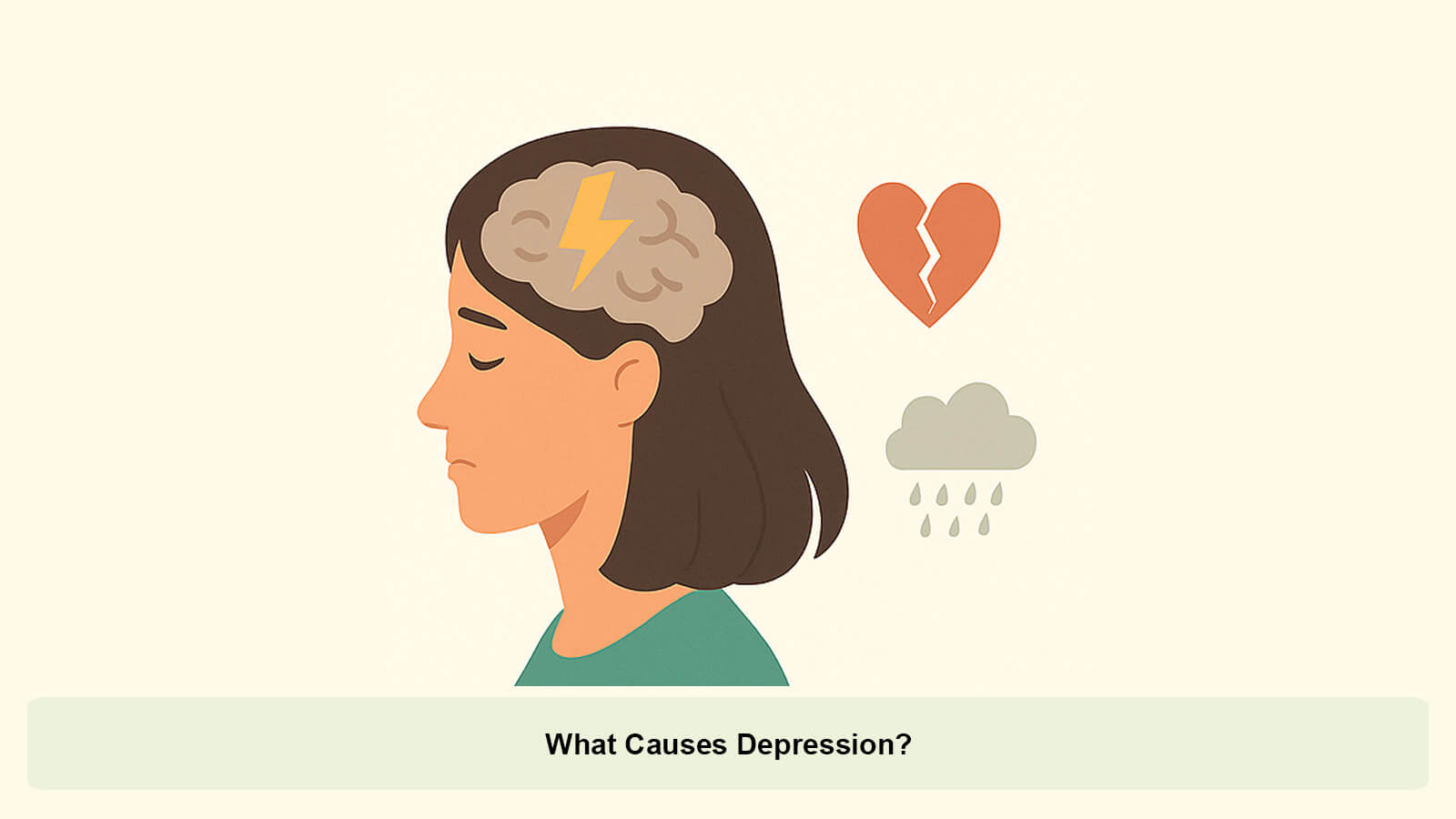
Depression doesn’t have one single cause. It usually results from a combination of genetics, environment, medical conditions, lifestyle factors, and life experiences.
Below are the most common causes of depression.
Depression often runs in families. If you have a parent or close relative with depression, your risk increases. Research shows:
Genetic factors influence how your brain responds to stress and how easily mood-related chemicals regulate themselves.
Certain medications can trigger depressive symptoms or worsen existing depression. Drugs used to treat chronic illnesses may cause:
These side effects can progress into clinical depression, especially in people with other risk factors.
Experiencing trauma significantly increases the risk of depression. Research shows:
Traumatic experiences may include:
Trauma affects the nervous system, making it harder to regulate emotions.
Abuse of any kind can alter how you view yourself and the world, leading to deep feelings of:
Emotional abuse and childhood abuse are strongly linked to adult depression. Survivors may isolate or shut down emotionally, which increases vulnerability to depression.
Hormonal changes can increase the risk of depression:
People with chronic or serious medical conditions have higher rates of depression. Common illnesses linked to depression include:
Being sick, feeling limited, or experiencing chronic symptoms can contribute to long-term depression.
Substance use can cause or worsen depression due to:
Depression and addiction often reinforce each other — this is called a dual diagnosis.
Grief is a normal emotional response, but sometimes it develops into clinical depression. Warning signs include:
People experiencing complicated grief often need professional support.
Depression Treatment
 Depression Treatment
 Depression Treatment
 Depression Treatment