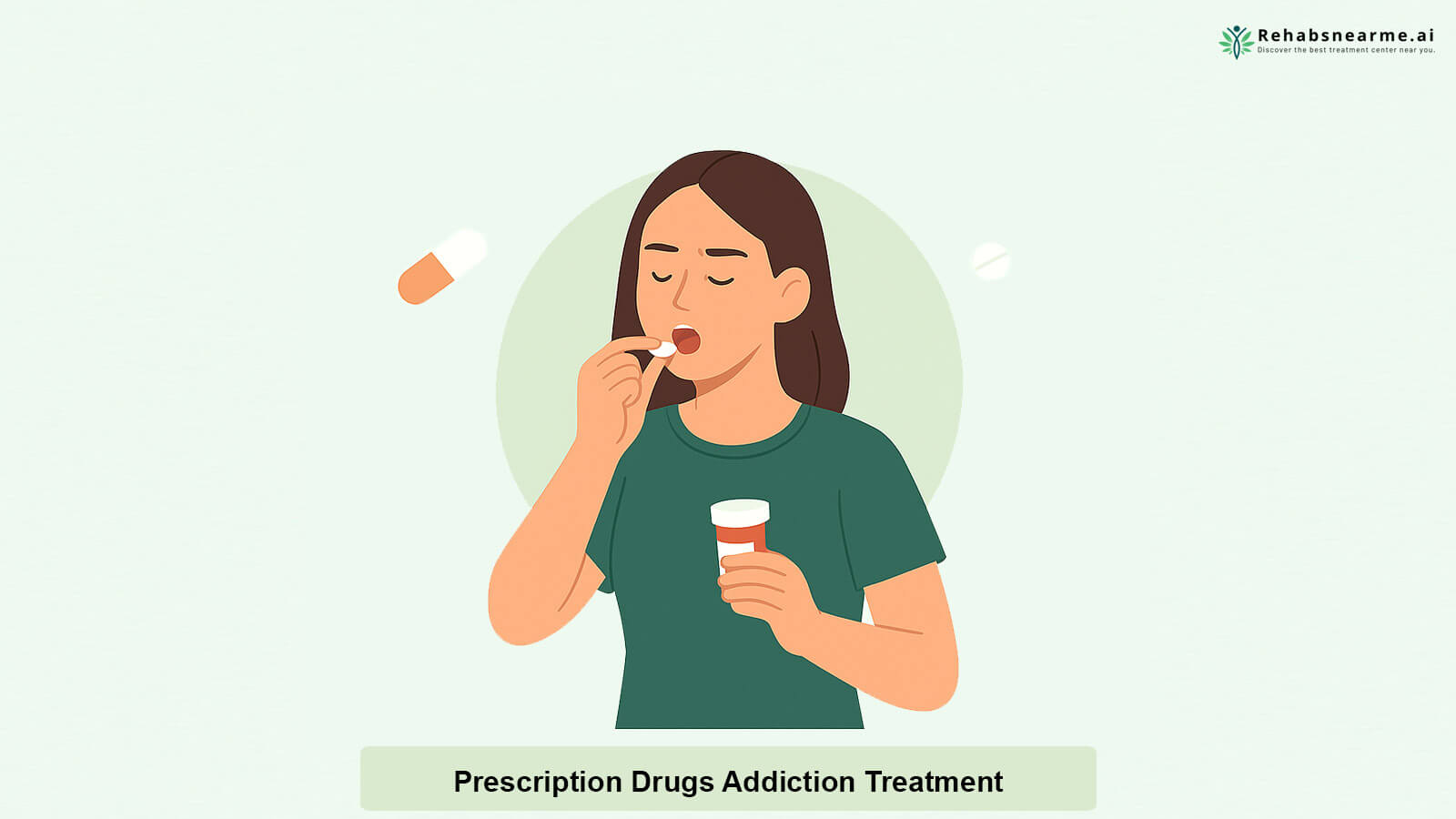
What Are Prescription Drugs?
Prescription drugs are medications regulated by the FDA and dispensed only with a healthcare provider's approval. These medications are stronger than over-the-counter (OTC) drugs and require professional monitoring due to their potency, side effects, and potential for misuse.
Three of the most commonly misused prescription drug categories include:
1. Opioids
Used for severe pain. Common examples: Oxycodone, Hydrocodone, Morphine, Fentanyl, Codeine.
2. Benzodiazepines (Benzos)
Used for anxiety, panic disorders, and insomnia. Examples: Xanax, Valium, Ativan, Klonopin.
3. Stimulants
Used to treat ADHD and sleep disorders. Examples: Adderall, Ritalin, Vyvanse, Dexedrine.
Other commonly prescribed medications include antidepressants, antipsychotics, mood stabilizers, and muscle relaxers — but opioids, benzos, and stimulants carry the highest risk of addiction and misuse.
How Prescription Drugs Work
Prescription drugs affect the brain and body by altering neurotransmitters such as:
- Dopamine – pleasure, reward, motivation
- Serotonin – mood, sleep, emotional stability
- GABA – relaxation, anxiety relief
- Norepinephrine – energy, focus, alertness
Because these medications influence powerful chemical systems, dependence can develop — even when taken as prescribed.
What Is Prescription Drug Misuse?
Prescription drug misuse includes:
- Taking more than the prescribed dose
- Taking pills not prescribed to you
- Mixing medications with alcohol or other drugs
- Taking medication in a non-prescribed way (snorting, crushing, injecting)
- Using prescription drugs to feel euphoria, calm, or energy
Misuse can happen accidentally or intentionally, but either way, it can lead to addiction, overdose, or long-term health issues.
Signs of Prescription Drug Addiction
Symptoms vary by drug type but may include:
Behavioral Signs
- Running out of medication early
- Doctor shopping for multiple prescriptions
- Isolation, secrecy, or hiding pills
- Decline in work or school performance
- Using medications to cope with stress or emotions
Physical Signs
- Drowsiness or sedation (opioids & benzos)
- Slurred speech
- Dilated pupils
- Anxiety, mood swings, irritability
- Insomnia or extreme fatigue
- Nausea, constipation, shallow breathing
Psychological Signs
- Cravings
- Compulsive drug use
- Mood changes
- Panic or anxiety without the drug
- Memory issues or confusion
If these symptoms are present, professional support can help prevent addiction from worsening.
Risks of Prescription Drug Misuse
Misusing prescription drugs — even a few times — can lead to dangerous consequences:
Opioids
- Overdose due to respiratory depression
- Severe constipation
- Dependence and withdrawal
- Increased sensitivity to pain
Benzodiazepines
- Memory loss
- Blackouts
- Increased risk of falls or accidents
- Seizures during withdrawal
Stimulants
- Heart attack or stroke
- High blood pressure
- Anxiety, paranoia
- Aggression or psychosis
Polydrug use (mixing medications)
Combining opioids with benzos or alcohol is especially dangerous and significantly increases overdose risk.
When to Seek Treatment for Prescription Drug Misuse
You may need help if you or a loved one experiences:
- Cravings or inability to stop
- Withdrawal symptoms
- Risky behavior
- Declining health or mental stability
- Strained relationships
- Using medication to escape or cope emotionally
Treatment Options for Prescription Drug Addiction
Effective treatment addresses the physical dependence, psychological symptoms, and behavioral patterns behind addiction.
- Medical Detox Safely manages withdrawal symptoms under supervision—especially important for opioids and benzodiazepines.
- Inpatient or Residential Rehab 24/7 support providing structured therapy, education, and relapse prevention.
- Partial Hospitalization (PHP) Full-day treatment programs while living at home or in sober housing.
- Intensive Outpatient (IOP) 3–5 days a week of therapy for flexible, structured care.
- Outpatient Programs Weekly sessions to maintain recovery and support long-term sobriety.
Therapies Used in Prescription Drug Treatment
How to Talk to Your Provider About Prescription Drug Misuse
Ask your doctor:
- Am I showing signs of prescription drug dependence?
- What are my treatment options?
- Do I need detox?
- What medications can help with withdrawal or cravings?
- Is dual-diagnosis care necessary?
- What level of care is right for me?
Being open about symptoms ensures you receive safe, effective treatment.