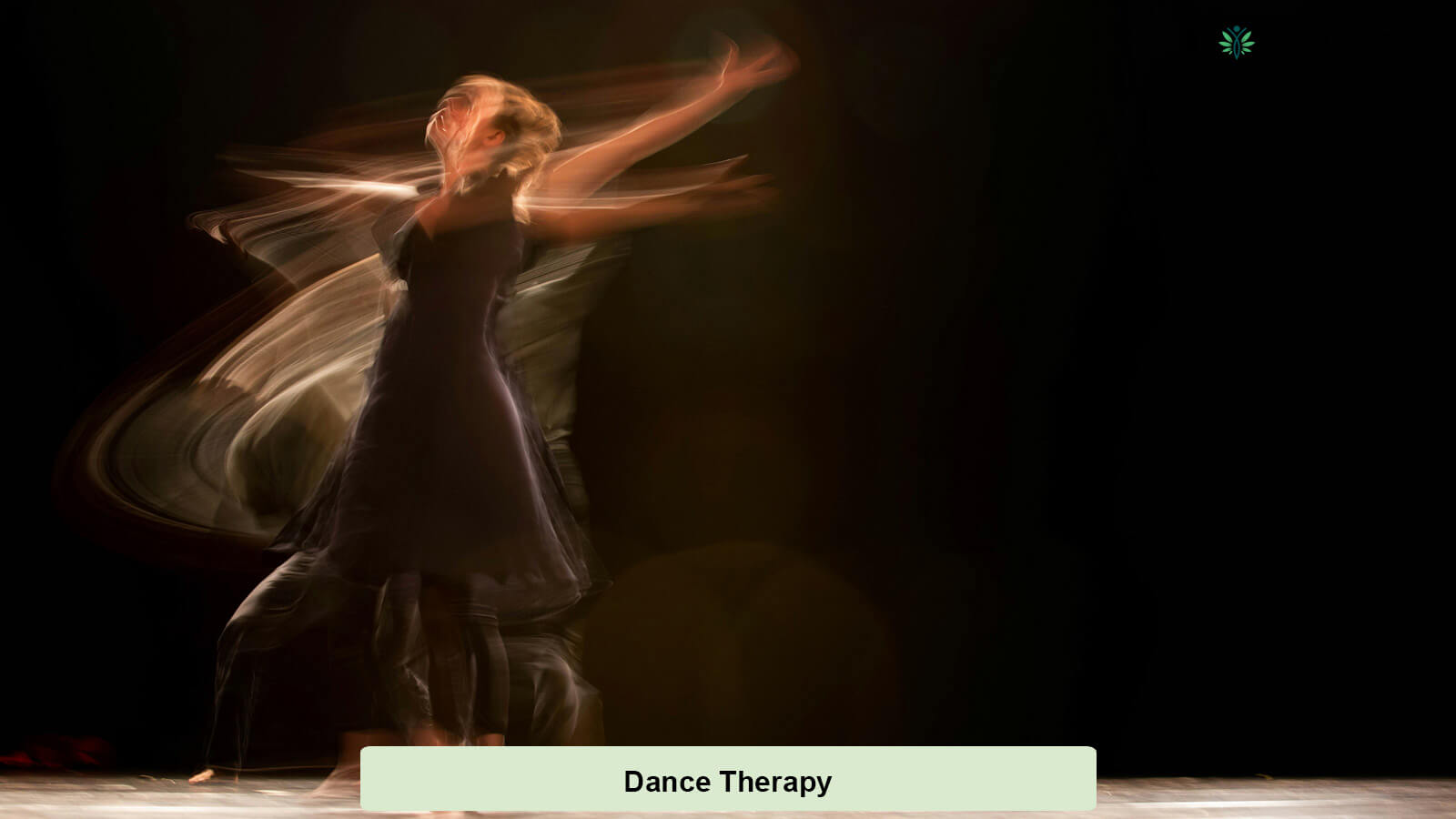
What Is Dance Therapy?
Dance therapy, also known as dance/movement therapy (DMT). Dance Therapy is a form of psychotherapy that uses movement and body awareness to support emotional, mental, and physical well-being.
Guided by a trained therapist, sessions focus on using movement as a way to explore feelings, improve self-awareness, and develop healthier ways of coping.
This isn’t about performance or skill. It’s about expression, connection, and healing.
Why Movement Matters in Healing
Emotions don’t just live in the mind. They live in the body.
Stress, trauma, and anxiety can show up physically as tension, restlessness, or disconnection. Dance therapy helps release that stored energy through intentional movement.
By engaging the body, individuals can:
- Process emotions more naturally
- Reduce physical tension
- Reconnect with their body
- Improve overall emotional regulation
What Dance Therapy Helps With
Dance therapy is used in a variety of mental health and treatment settings, including:
- Anxiety and chronic stress
- Depression and low energy
- Trauma and PTSD
- Addiction and recovery support
- Body image and self-esteem issues
- Emotional expression challenges
It is especially helpful for individuals who feel disconnected from their body or struggle to express emotions verbally.
What Happens in a Dance Therapy Session?
Sessions are guided but flexible—there are no strict rules or expectations.
You might:
- Move freely to music or guided prompts
- Explore specific emotions through movement
- Participate in group movement exercises
- Reflect on how your body feels before and after movement
The focus is not on how it looks but how it feels.
The Benefits of Dance Therapy
Dance therapy supports both mental and physical well-being:
- Emotional release: Express feelings without needing words
- Reduced anxiety: Movement helps regulate the nervous system
- Improved mood: Physical activity boosts natural feel-good chemicals
- Increased self-awareness: Better connection between mind and body
- Enhanced confidence: Greater comfort in your own body
Over time, individuals often feel more grounded, expressive, and emotionally balanced.
Dance Therapy vs Traditional Therapy
| Feature |
Dance Therapy |
Talk Therapy |
| Expression |
Movement-based |
Verbal |
| Approach |
Experiential |
Cognitive |
| Engagement |
Active and physical |
Seated and conversational |
| Best for |
Emotional release & body connection |
Thought processing |
Many treatment programs combine both approaches for a more complete healing experience.
Dance Therapy in Addiction Recovery
Recovery is not just mental—it’s physical and emotional.
Dance therapy helps individuals in recovery by:
- Reducing stress and cravings
- Releasing built-up emotional tension
- Improving body awareness and self-control
- Encouraging healthy routines and movement
It adds a dynamic, engaging layer to traditional treatment methods.
Do You Need Dance Experience?
No experience is needed.
This is one of the most common concerns—and one of the biggest misconceptions. Dance therapy is not about choreography or technique. It’s about authentic movement and personal expression.
Everyone moves differently and that’s the point.
Cost of Dance Therapy
- Private sessions: $60–$150 per session
- Group sessions: Often lower cost
- Rehab programs: Typically included in treatment plans
Costs vary depending on location and provider.
How to Find Dance Therapy Near You
If you're searching for dance therapy near me or movement therapy near me, consider:
- Mental health clinics offering expressive therapies
- Rehab and addiction treatment centers
- Holistic wellness programs
- Certified dance/movement therapists
Look for licensed professionals trained in dance/movement therapy techniques.
Let Your Body Be Part of the Healing
Healing doesn’t always happen through words.
Sometimes it happens through movement—through reconnecting with your body, releasing what’s been held inside, and finding a new way to express yourself.
Dance therapy gives you that opportunity.
✔ No Experience Required
✔ Express Emotions Naturally
✔ Improve Mind-Body Connection
👉 Find dance therapy near you
👉 Explore treatment programs
👉 Start your healing journey today